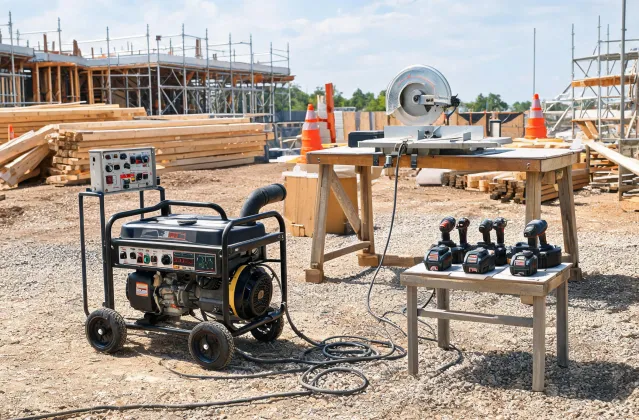
Portable generator applications in a managed outdoor work zone

Duty cycles shape portable power

Honda Generator Application Environments

The same watt total can lead to a different choice when starting current, runtime, mobility, noise limits and connection method change.

Six operating contexts with distinct review questions

Generator powering construction tools

Construction sites

Compressors, saws and pumps can impose starting demand well above running watts. The review records the largest motor start, simultaneous tool use, cord length, voltage drop, dust exposure and refueling control before selecting output.
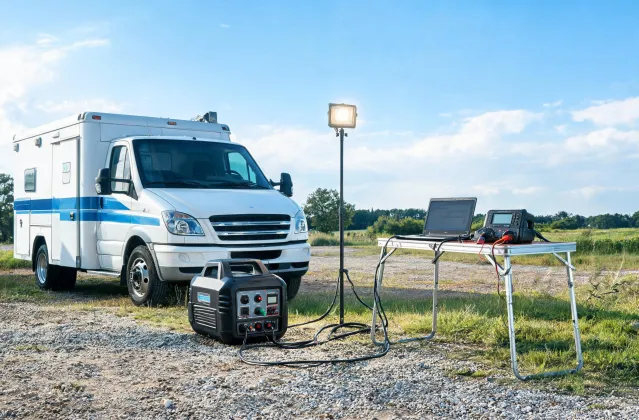
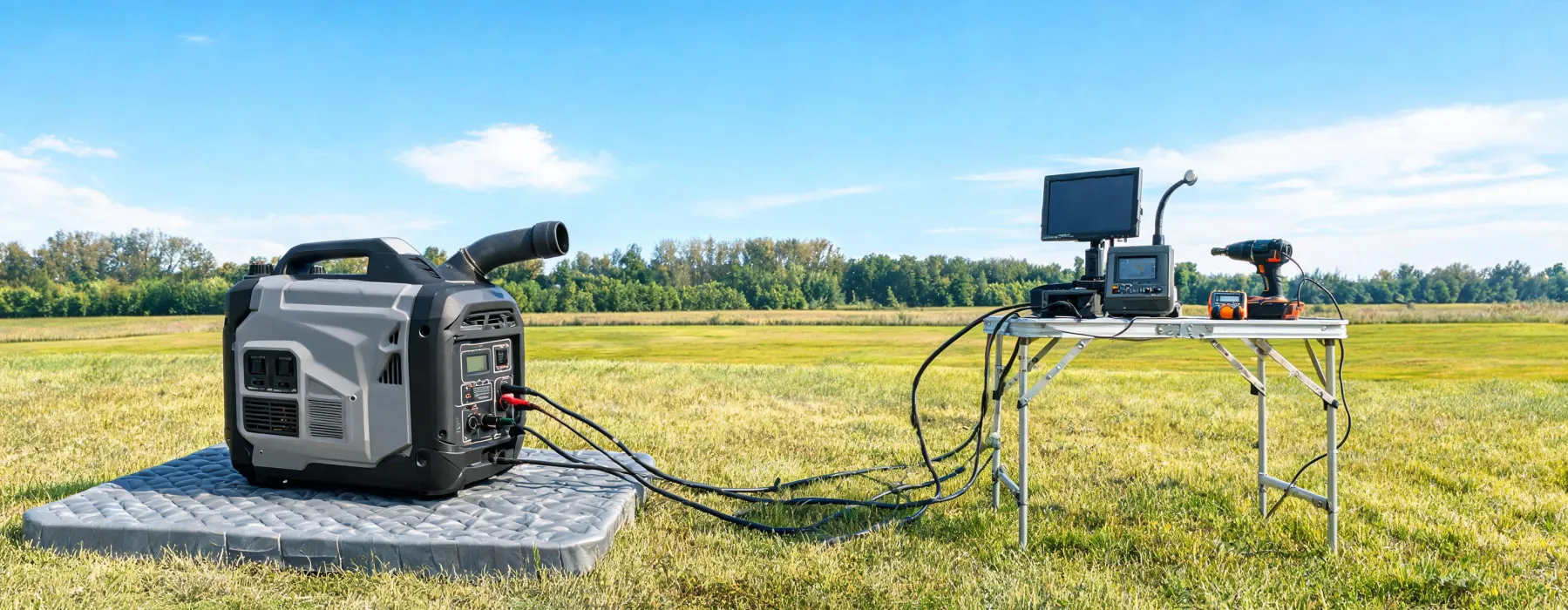
Generator supporting mobile field service

Mobile service

Diagnostic electronics favor stable waveform and controlled grounding, while portability constrains weight and fuel capacity. A service crew also needs a transport plan that prevents fuel leakage and keeps hot equipment outside the vehicle.

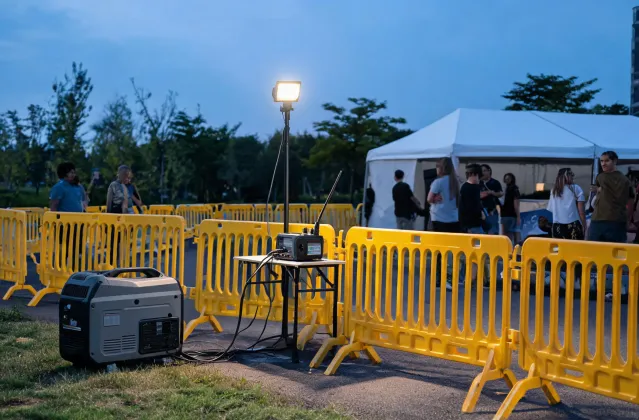
Generator for outdoor event operations

Outdoor events

Audio, lighting and communications loads may be sensitive to voltage quality. Sound boundaries, public separation, weather protection and cable trip hazards become selection factors alongside watts and runtime.

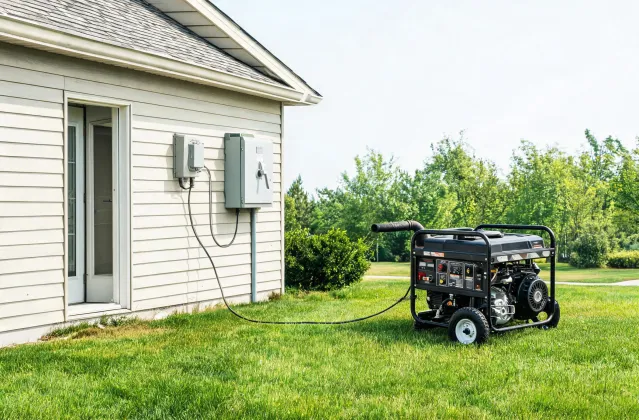
Generator supporting residential outage loads

Residential outage support

Refrigeration, furnace blowers, sump pumps and well pumps create load-priority decisions. Building circuits require approved transfer equipment installed by qualified personnel; direct backfeed through a receptacle is excluded.

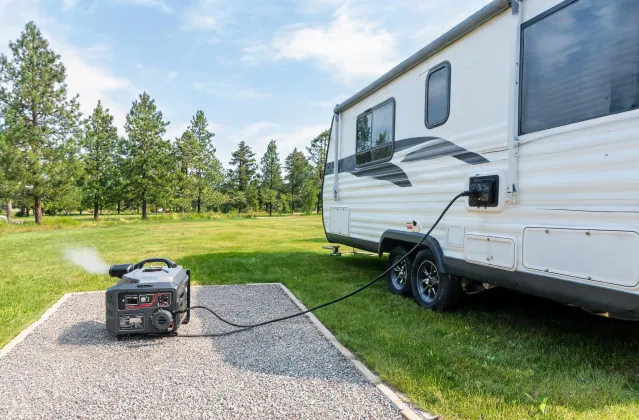
Generator for recreation camp utility area

Recreation and RV use

Air-conditioner starting demand, shore-power connection, campground sound rules and overnight runtime need to be read together. Parallel operation, where offered, must follow the exact model instructions and approved accessories.

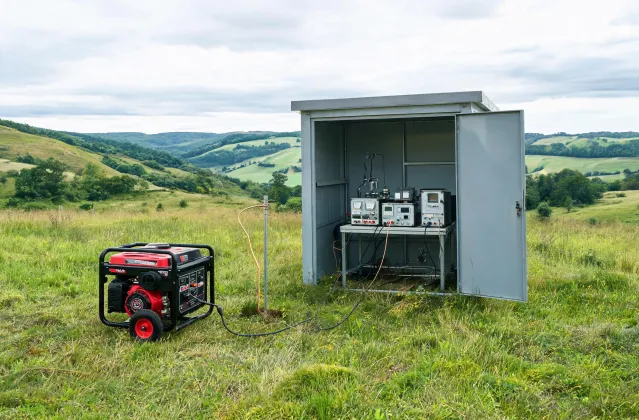
Generator supporting remote measurement equipment

Remote testing

Measurement systems can be sensitive to waveform quality and grounding configuration. The application record identifies instrument tolerance, protective devices, cable length, ambient conditions and the uninterrupted test window.

4core inputs: watts, starting demand, runtime, voltage
3site checks: ventilation, weather, access
1documented assumption register per review

Selection trade-offs without one universal answer

Inverter versus conventional output: inverter models can suit sensitive electronics and variable-load efficiency, while conventional designs may fit straightforward high-load work; compare rated output, waveform requirements, service needs and cost rather than using one label as a shortcut. Compact capacity versus operating margin: a closely loaded unit reduces transport weight, while additional margin can help motor starting and future loads; excessive oversizing can add fuel use, noise and handling burden.

Boundaries: altitude and heat may reduce available output; wet weather requires protection that does not restrict ventilation; published runtime depends on test load; and portable gasoline generators must never operate inside an enclosed space. Permanent emergency loads require a system designed to the applicable code.

Map the operating sequence before choosing output

Send a representative equipment list, starting order and duty window for a constraints review.

Discuss an Application